

RESOURCE ● BLOG ●
RESOURCE ● BLOG ●
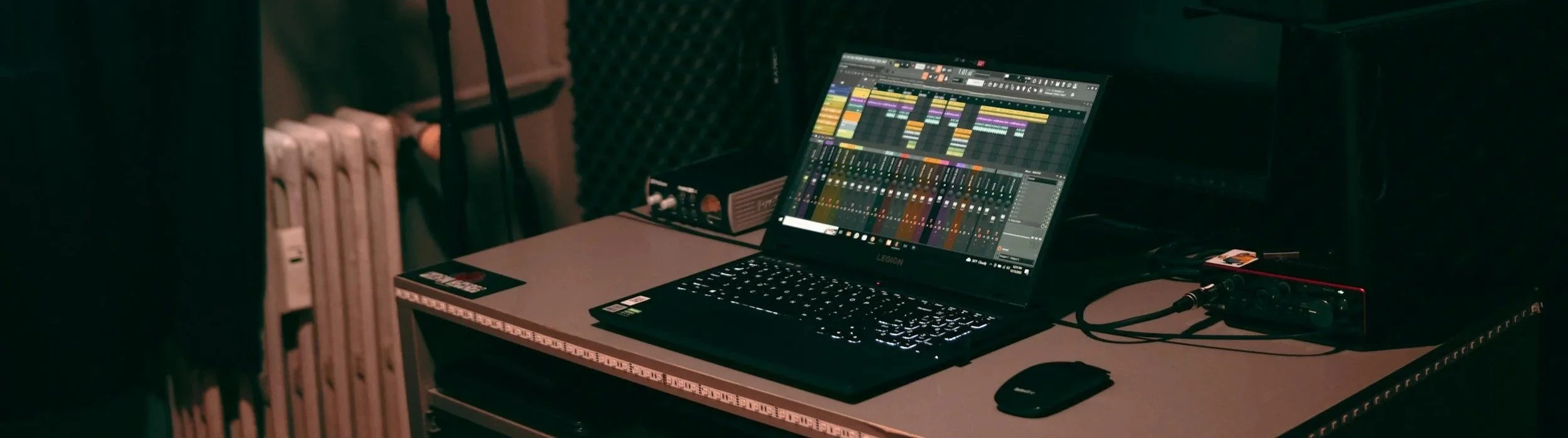
HOW TO: REMIX A TRACK- 4 THINGS TO GET RIGHT BEFORE YOU TOUCH THE STEMS
Flipping a bootleg remix for your next set is one of the fastest ways to get your sound heard. But a great remix isn’t just dropping a four-to-the-floor beat behind an existing vocal. Keep too much of the original and it feels lazy; change too much and you strip away the soul of the record that made people love it in the first place. It’s a fine balance, but once you’ve got it, the results are instant. At Studio A08 we mix and master remixes every month, and the best ones always follow a clear set of creative and technical rules. Before you load those stems into your DAW, here are four things to get right.
First, identify the sacred element. Every track has an anchor - the core hook that defines its identity. It might be an emotional vocal phrase, an iconic synth hook, a guitar lick, or an unmistakable rhythmic groove. Isolate that one element and protect it at all costs, because it’s what connects your version to the original. Then be ruthless with the rest. If you try to keep the original bassline, the arp synths, the pads and the drum fills while building your own groove, your mixdown suffers immediately and it stops being your version of the track. Choose what to keep, bin the rest, and build your world around that single hook.
Second, lock down pitch, BPM and the musical re-contextualisation. A remix is your chance to flip the emotional tone of a track - take a 120 BPM deep vocal up to 134 for speed garage or 174 for drum and bass, and it behaves completely differently. Warp algorithms matter here: stretching vocals or melodic parts can introduce harsh artefacts or phase smear, so use high-grade algorithms like Complex Pro in Ableton and preserve the formants so the vocal doesn’t sound like a cartoon. And you don’t have to keep the original chords. Dropping a major vocal over minor or suspended chords injects tension and darkness - changing the harmonic bed under the vocal is the fastest way to make a remix sound genuinely original.
Third, clean and treat the stems before you produce anything. One of the biggest mistakes is treating remix stems like they’re already mix-ready. Even professional stems often come with baked-in reverb, room resonance, stereo wideners or leftover low-end rumble. Before you build your drums, high-pass everything that isn’t bass - strip the residual mud off vocals, guitars and synths so your new kick and sub have total priority. And if a vocal’s drenched in reverb that clashes with your groove, use an envelope shaper or a de-reverb tool to tighten the decay and pull it forward.
Fourth and finally, build for the DJ and the dance floor. Original songs are built for radio - short intros, fast hooks - but a club remix has a different job. Give DJs a clean 16 or 32-bar intro and outro with un-cluttered percussion so they can mix it in and out smoothly, and design your drop for contrast: if the build is melodic and spacious, hit back with heavy low-end and rhythm. That surprise is what gets the reaction on the floor.
Written by Jeremy Lively (Lively Beats), Founder of Studio A08
Check out their Instagram for insights!
Worth a mention on the prep side: a tool like Premix takes the faff out of getting started. You search the track or import your own file and it works out the key and BPM, splits the stems, and drops them into your DAW on the grid — so you skip straight to the creative bit. It’s USD $39, and the Faded code FADED25 takes 25% off at checkout (bringing it to USD $29.25, about GBP £21.80). We broke it down properly in this post.
Producer Lab Meetup Details:
Date: 19 Nov 2026
Time: 18:30 – 20:30
Location: Studio A08 - Hackney Wick
Spots: Limited — book your space via THIS FORM
THE CHECK LIST

Isolate the one or two core elements that define the original, and mute the rest
Protect that sacred hook - it’s what ties your version to the original
Use high-grade warp algorithms and preserve formants when you shift pitch or BPM
Try new chords or basslines under the hook to make it emotionally your own
High-pass everything non-bass and tame baked-in reverb before building drums
Give DJs clean 16 or 32-bar intros and outros to mix in and out of
Design the drop for contrast so it hits hard on the dancefloor
DID YOU KNOW?
A great remix is one of the fastest ways to get your sound in front of new people — but only if you actually put it to work. An hour of coaching & strategy mentorship helps you figure out where to share your edits, how they build your profile, and how to turn a good bootleg into real momentum and more ears on you.
Find yourself in the artist journey map and find out how to get involved!
Where Are You At
With Your Music?
Take the quiz. Get matched to opportunities & the right support — based on where you actually are, not where you think you should be.
Platforming artists to pursue their music dreams — no gatekeeping.
Discover → Develop → Launch → Fly
What do you do?
How long have you been doing it?
Have you played or put music out publicly yet?
Is your social media working for your music?
What's your biggest challenge right now?
Here's your path.
Subscribe to The Drop — free weekly round-up of gigs, opportunities and resources. Every Wednesday. No spam, no filler.