

RESOURCE ● BLOG ●
RESOURCE ● BLOG ●
How to:
design a flyer that communicates fast
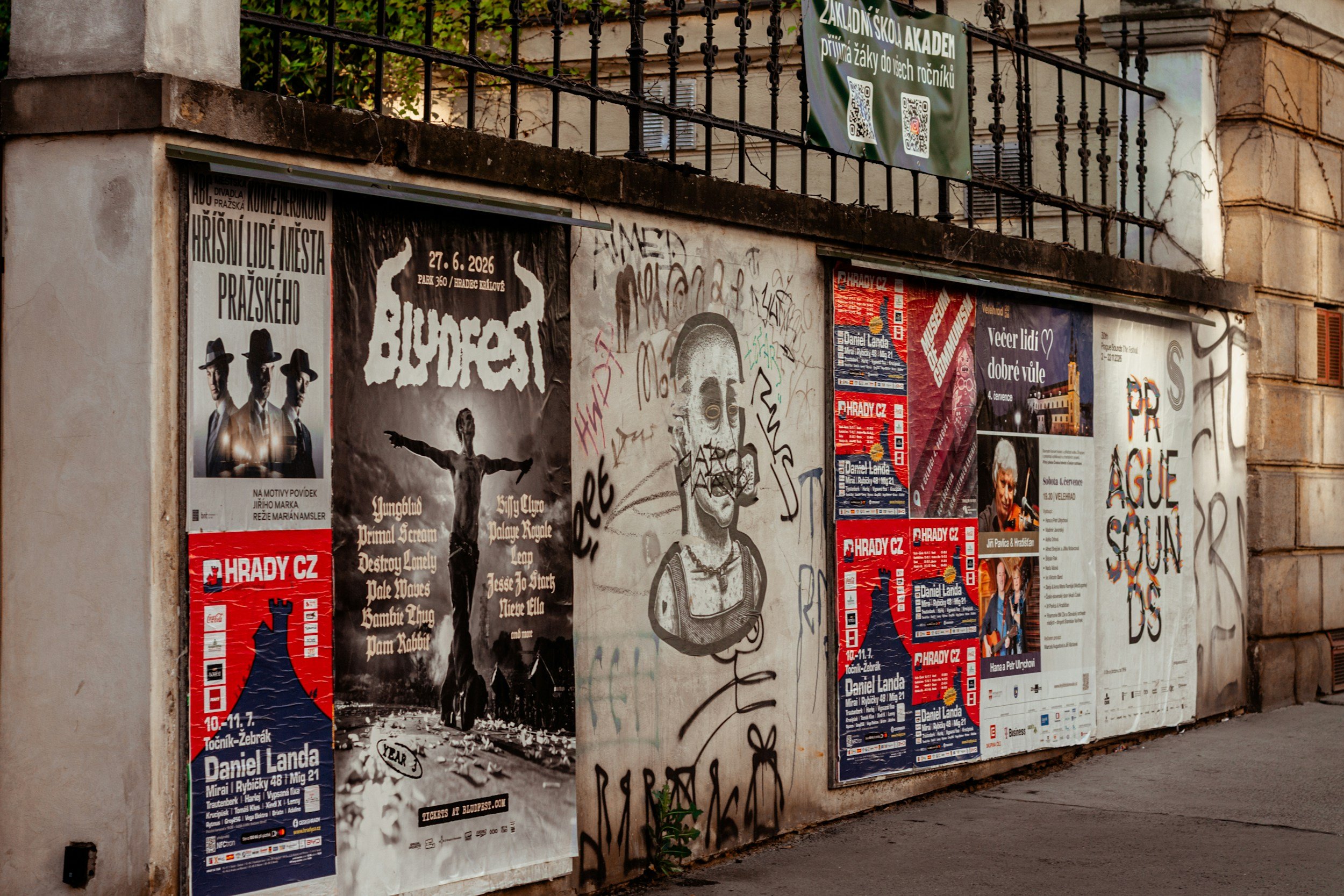
A flyer has about a second to do its job. Someone's scrolling (or walking), your flyer flashes past, and in that moment they either get what the night is or they don't. Most flyers fail here — not because they look bad, but because they're so busy trying to look good that the actual information gets lost. Design that looks incredible but doesn't tell you where to be on what night is a poster, not a flyer. The job is to communicate first, decorate second.
So get the essentials in fast and make them impossible to miss: who's playing, what the night is, the date, the venue, and where to get tickets. Those need to be readable at a glance and at thumbnail size, because that's how most people will see it — small, on a phone, in a feed. Build a clear hierarchy. The one thing that sells your night, usually the headline act or the event name, should be the biggest thing on there, and everything else should fall in behind it in order of importance. If everything's shouting, nothing lands.
However for grassroots nights, random DJ names will not make the main impact: sell the actual music. What type of genres and vibe can people expect from this night?
Keep it clean enough to breathe. Cramming in every DJ, every sponsor logo and three fonts makes the whole thing harder to read, not more impressive. Give the key info space, pick a look that actually matches the vibe of the night so the flyer sets the right expectation, and make sure it works stripped down — a lot of platforms crop or shrink it, so check it still reads as a tiny square before you post. A flyer that communicates fast isn't the fanciest one. It's the one where a stranger can pick out key info of what your night is, and how to be there, before they've even thought about it.
THE CHECK LIST
Lead with the essentials: acts, event name, date, venue, and where to get tickets
Make sure it's readable at thumbnail size, because that's how most people see it
Build a clear hierarchy — the biggest thing should be what sells the night
For grassroots nights, sell the genres and the vibe, not unknown DJ names
Don't cram in every DJ, logo and font; give the key info room to breathe
Match the look to the vibe so the flyer sets the right expectation
Check it still reads when cropped or shrunk on different platforms
DID YOU KNOW?
Working out what your night is really selling — the vibe, the crowd, the sound — is the hard part, and it's what makes everything else click. An hour of coaching & strategy mentorship allows you to talk it through with, so your flyers, your billing and your whole night pull in one clear direction.
Find yourself in the artist journey map and find out how to get involved!
Emerging Artist Map: Where Are You?
Find yourself on the path from your first set to running your own brand. Tap a stage to see what it looks like — then click "Get involved" or "Get help" to see what's next.
—
Platforming grassroots to pursue their music dreams.
Discover → Develop → Launch → Fly
Subscribe to The Drop so you don't miss out — when projects open, free resources, opportunity & gig round-ups every Wednesday.
HOW CAN WE HELP?
Subscribe to THE DROP to access opportunities, gig call outs, resources, perks & more